Examining the Connection Between Payment Flexibility and Session Lengths in Live and Automated Gaming Formats
Written by Sofia Reed · Sep 17, 2026
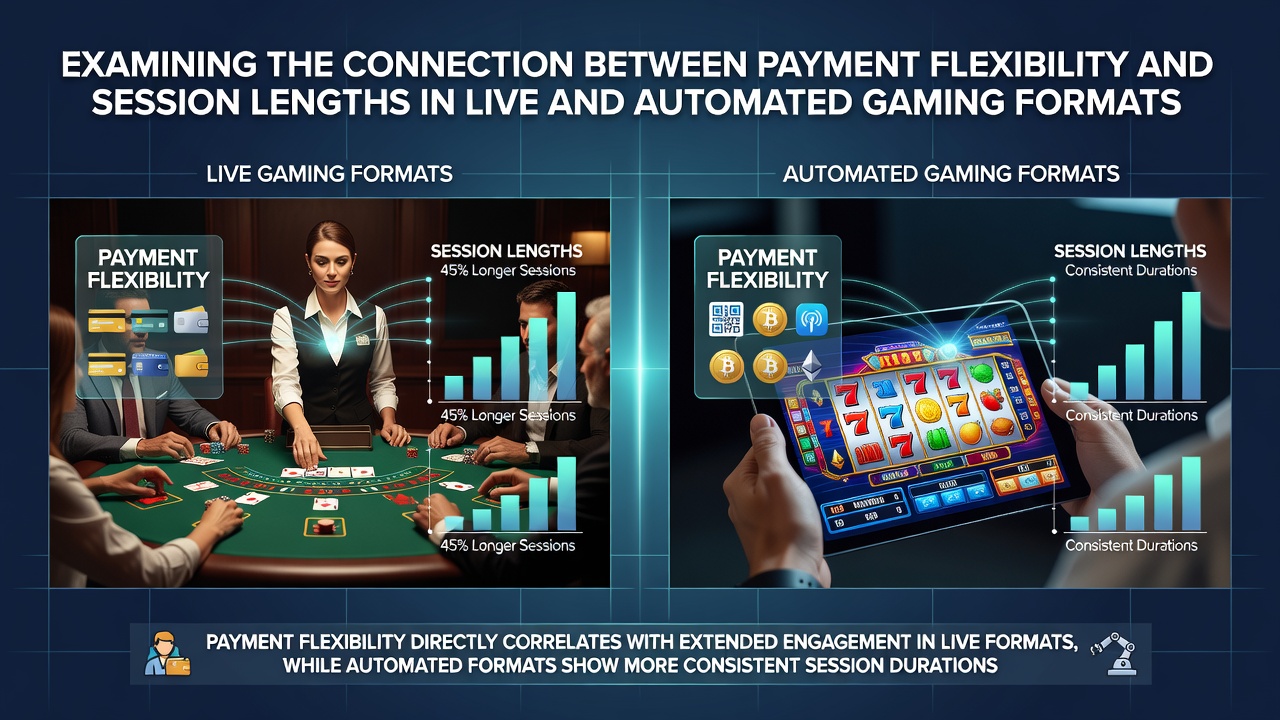
Examining the Connection Between Payment Flexibility and Session Lengths in Live and Automated Gaming Formats
Payment flexibility refers to the range of deposit and withdrawal methods available to players along with the speed and ease of those transactions, and researchers tracking gaming patterns have noted measurable links between these options and how long sessions last in both live dealer environments and automated formats such as slots or RNG tables.
Defining Key Elements of Payment Flexibility
Operators now support credit cards, e-wallets, bank transfers, and in some regions digital currencies, each carrying different processing times that shape player behavior during a single session, while data collected across multiple jurisdictions shows that platforms offering instant or near-instant deposits tend to record higher average session durations compared with those limited to slower methods.
Studies examining transaction logs reveal that when players can move funds without leaving the game interface, they often extend play rather than pause to handle external banking steps, and this pattern holds across both live and automated categories though the magnitude differs by format.
Live Dealer Environments and Transaction Flow
Live dealer games require real-time interaction with human staff, so seamless payment tools reduce interruptions that might otherwise break immersion, according to platform analytics reviewed by industry observers in 2025 and 2026.
In September 2026, aggregated reports from several North American operators indicated that sessions involving live blackjack or roulette averaged 12 to 18 minutes longer when instant e-wallet deposits were enabled versus traditional card processing, because players could top up balances mid-round without exiting the stream.
Those who manage live tables have observed that quick withdrawal confirmations also encourage continued betting, since participants feel confident they can cash out winnings promptly if needed, which reduces hesitation during extended play windows.
Automated Formats and Their Distinct Patterns
Automated games operate without human pacing, allowing rapid spin cycles or automated decisions that pair with flexible payments to create longer uninterrupted sequences, and figures released by regulatory bodies in Canada and Australia show automated sessions extending by 20 to 30 percent when multiple instant funding options appear at the lobby level.
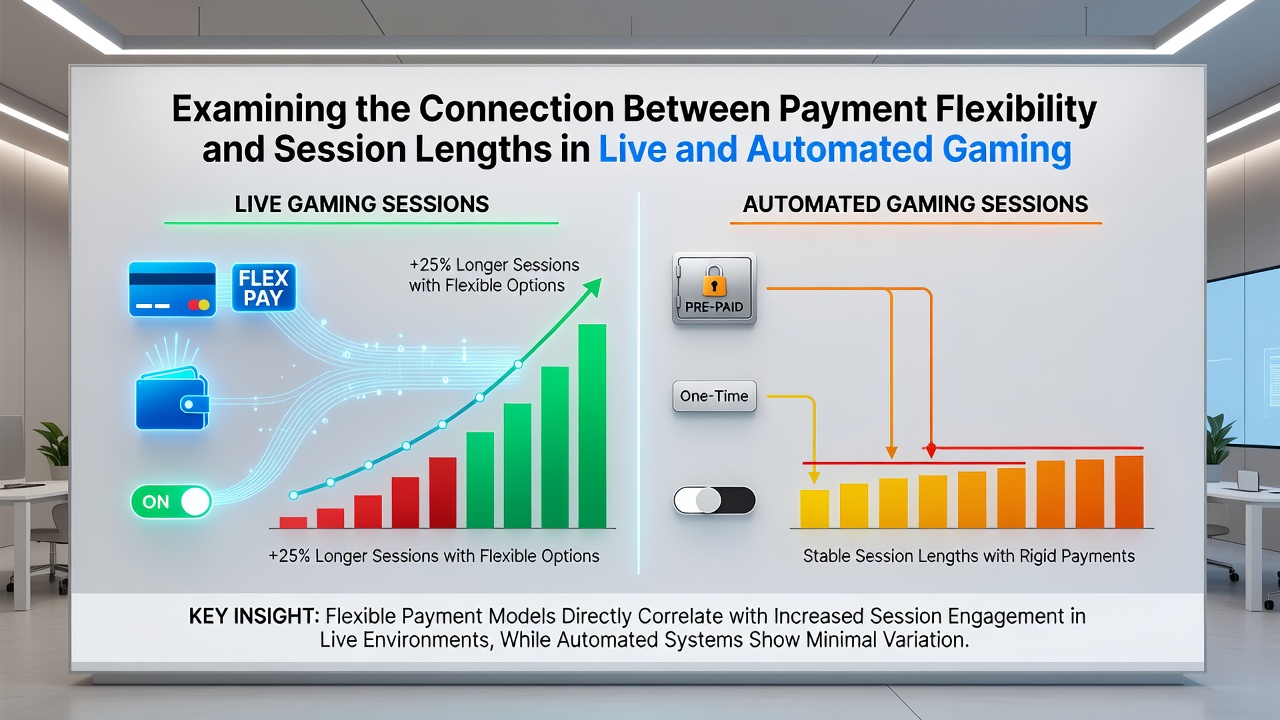
Researchers at university-affiliated gaming labs have tracked clickstream data revealing that players using automated slots often chain multiple short deposits when limits reset quickly, resulting in cumulative session times that surpass those seen in live settings where table minimums and dealer pace impose natural breaks.
Comparative Data Across Regions
Comparative reviews compiled by the American Gaming Association highlight that U.S. markets with broad e-wallet adoption recorded the strongest correlation between payment speed and session length, whereas markets relying more on slower bank transfers showed flatter trends, and similar patterns appear in European data sets tracked by independent research groups.
One analysis from a Singapore-based gaming institute found that live formats benefited more from withdrawal flexibility because players valued the ability to secure winnings between hands, while automated formats gained from deposit flexibility that supported impulse top-ups during bonus rounds.
Regulatory Context and Measurement Challenges
Regulators in multiple jurisdictions now request session-length metrics tied to payment method logs as part of compliance reporting, which gives researchers clearer datasets than were available five years ago, yet differences in how operators define an active session still create some variability in cross-platform comparisons.
Payment flexibility also interacts with responsible gaming tools such as deposit limits and time reminders, so longer sessions do not automatically equate to higher risk when those controls remain active, and several operators have published anonymized statistics showing that flexible yet capped payment systems maintain stable play durations without spikes in high-velocity activity.
Conclusion
Available transaction and engagement records indicate that payment flexibility correlates with extended session lengths in both live dealer and automated gaming, with the strength of that link varying by format, region, and the specific speed of each method, and continued data collection through 2026 and beyond will allow more precise mapping of these relationships as operators refine their offerings.